
Moving to Poland often means dealing with a new language much sooner than expected. Shopping, visiting a doctor, speaking with colleagues, renting a flat or handling formalities at a public office can all become easier when you understand and speak at least basic Polish. A well-chosen Polish language course for foreigners can help you build...
Polish Language CoursesPolish Language Course for Foreigners: Where Should You Start?
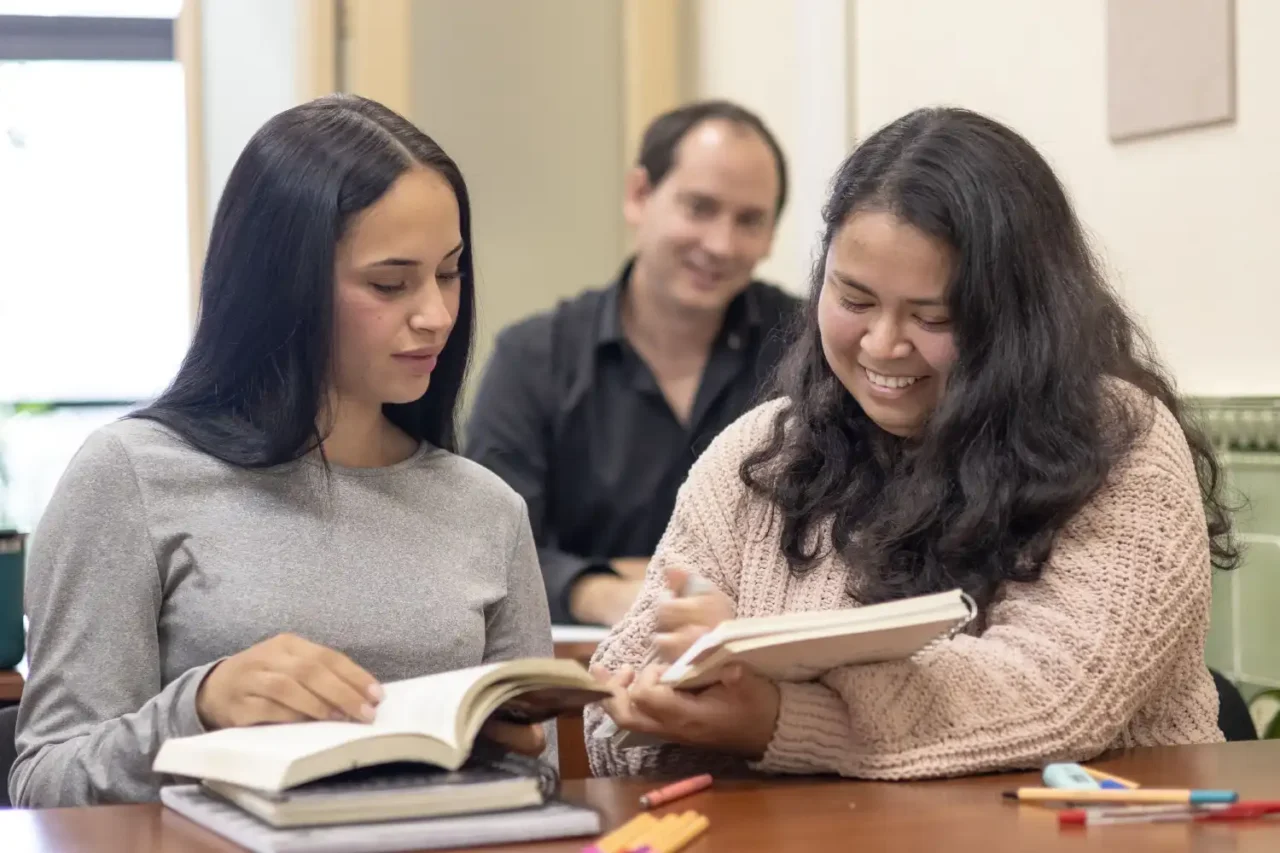
Moving to Poland often means dealing with a new language much sooner than expected. Shopping, visiting a doctor, speaking with colleagues, renting a flat or handling formalities at a public office can all become easier when you understand and speak at least basic Polish.
A well-chosen Polish language course for foreigners can help you build these practical skills step by step. Instead of learning random vocabulary or trying to understand Polish grammar on your own, you follow a structured programme that combines speaking, listening, reading and writing. Regular contact with a teacher also gives you something that independent study cannot always provide: immediate feedback and correction.
The right course depends on your current level, schedule and reasons for learning Polish. Someone who has just moved to Poland and needs to communicate quickly may benefit from an intensive programme, while a person working full-time may prefer semester classes, private lessons or an online course.
At Say Polish, students can choose between classroom-based programmes in several Polish cities and live Polish courses online. This makes it possible to select a learning format that fits your everyday routine rather than trying to organise your life around a rigid course schedule.
Why Is a Structured Polish Course Worth Considering?
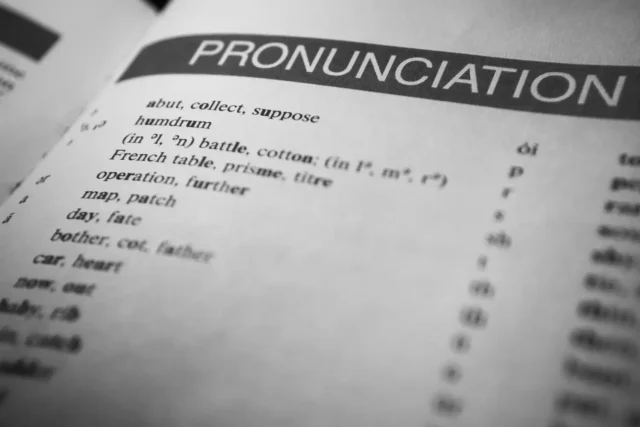
Polish can seem challenging at first. Pronunciation includes sounds that may be unfamiliar to international learners, while grammar introduces cases, gender, verb conjugations and changing word endings. Trying to understand everything at once can quickly become overwhelming.
A structured Polish course solves this problem by introducing new material gradually. Grammar and vocabulary are presented at an appropriate level and then practised in situations in which you may actually need them. At beginner level, for example, this may include introducing yourself, ordering food, asking for directions, making appointments or talking about your work and daily routine.
This is particularly important because knowing a grammar rule is not the same as being able to use it during a conversation. Regular speaking exercises help turn passive knowledge into practical communication skills.
During a professional Polish course, students normally work on four connected areas:
- speaking – becoming more confident in conversations and learning to respond without translating every sentence in your head;
- listening – understanding teachers, colleagues and other Polish speakers at a natural pace;
- reading – working with messages, notices, forms and increasingly complex texts;
- writing – learning to create correct sentences, messages, emails and other practical texts.
A teacher can also identify recurring mistakes before they become habits. This combination of structure, practice and feedback is one of the main advantages of attending regular Polish classes for foreigners.
How to Choose the Right Polish Language Course
There is no single course format that works best for every student. Before enrolling, think about why you want to learn Polish and how much time you can realistically dedicate to studying each week.
If you have recently arrived in Poland and need Polish for everyday communication, faster-paced lessons may be useful. If you already work or study full-time, a less intensive programme may make it easier to remain consistent over several months.
Your starting level matters as well. Complete beginners normally start at A0 or A1, while students who have previously studied Polish should take a placement test or speak with a teacher before joining a group.
The best Polish language course for foreigners is therefore not necessarily the longest or most intensive programme. It is the course that matches your level, goals and schedule closely enough for you to attend regularly and continue learning outside the classroom.
Which Polish Course Format Should You Choose?
Say Polish offers different learning formats because students come to Poland with different plans. Some need rapid progress, while others want to develop their Polish gradually alongside work, university or family responsibilities.
Intensive Polish Course
An intensive course is a good option when learning Polish has become an immediate priority. More frequent lessons mean more regular exposure to vocabulary, grammar and spoken Polish, which can help students build momentum.
This format can be particularly useful after moving to Poland, before beginning a new job, starting university or entering a situation where Polish is needed every day. Intensive learning also creates more opportunities to practise new material before it is forgotten.
However, an intensive programme requires time outside the classroom as well. Reviewing vocabulary and completing additional exercises between lessons can make a significant difference to your progress.
Students who want a faster learning schedule can check the current intensive Polish language course.
Semester Polish Course
A semester course provides a more gradual learning rhythm. Lessons are spread over a longer period, giving students time to revise vocabulary, practise grammar and become comfortable using new structures before moving on.
This format is particularly suitable for people who work or study and want Polish lessons to become a regular part of their weekly schedule. It also allows students to practise what they learn in real situations between classes.
For many foreigners living in Poland, this balance between regular lessons and independent practice makes semester courses a practical long-term option.
You can find more information about the semester Polish course.
One-Year Polish Course
If you are planning to stay in Poland for a longer period, a one-year programme provides time for systematic development rather than short-term preparation.
Learning over a longer period allows you to revisit difficult grammar, expand your vocabulary and gradually improve your ability to understand natural spoken Polish. It also gives you more opportunities to use the language outside the classroom and bring real-life questions back to your lessons.
This format may be especially useful for foreigners planning to work, study or build their life in Poland and who want Polish to become part of their everyday communication.
See the one-year Polish language course for programme details.
Private Polish Lessons
Private lessons offer the greatest flexibility because the programme can focus on one learner’s needs, pace and goals.
They can be particularly helpful if you have an irregular work schedule, need Polish for a specific profession, want additional conversation practice or need to concentrate on areas that are difficult for you.
Individual classes also allow the teacher to spend more time correcting pronunciation, explaining recurring mistakes and adapting exercises to your current level.
Explore private Polish lessons if you prefer an individual learning programme.
In-Person Polish Classes or Online Learning?
Both classroom and online Polish lessons can be effective. The better choice depends mainly on your lifestyle, location and preferred way of learning.
In-person classes provide direct contact with the teacher and other students. For people already living in Poland, they also create a natural connection between the classroom and everyday life. You can learn a new phrase during a lesson and use it later the same day in a shop, café or conversation with a colleague.
Live online lessons offer a different advantage: flexibility. You can attend from home or work without spending time commuting, which can make regular attendance easier. They are also useful if you live outside one of the cities where classroom courses are available.
Private lessons work well when you need an individual schedule or want to concentrate on a particular objective, while self-study programmes are suitable for learners who cannot commit to fixed lesson times.
Before choosing, consider not only where you prefer to study but also which format you are most likely to attend consistently. A convenient course that you follow regularly will usually be more useful than an ambitious programme that you frequently have to miss.
Students who prefer independent learning can also explore the self-study Polish video course. It can be used as a primary learning tool or as additional practice alongside teacher-led classes.
Learn Polish in Poland: Choose Your City
Living in Poland gives language learners an important advantage: the language is around you every day. Classroom learning can immediately be reinforced through conversations, signs, announcements, shopping, work and social situations.
Say Polish provides courses in several major Polish cities, allowing students to combine structured lessons with daily language practice.
Warsaw is home to a large international community and many foreign professionals. Taking a Polish language course in Warsaw can help you use Polish both professionally and in everyday situations around the capital.
Krakow combines a large student population with an international business community. A Polish language course in Krakow gives learners opportunities to practise Polish in academic, professional and social settings.
Wroclaw attracts international students and employees from many industries. Joining a Polish language course in Wroclaw can make everyday communication easier while helping you integrate into the local community.
A Polish language course in Poznan can support learners who need Polish for work, university or everyday life and want regular opportunities to use what they learn outside class.
Students living in the Tricity area can consider a Polish language course in Gdansk, while those based in Silesia can choose a Polish language course in Katowice.
Whichever city you choose, try to treat Poland itself as part of your language-learning environment. Even short daily interactions can reinforce what you practise during lessons.
What Should You Check Before Enrolling in a Polish Course?

Price is important, but it should not be the only factor when comparing Polish courses. A cheaper programme may not be a good investment if the schedule prevents regular attendance or the group does not match your level.
Before enrolling, check:
- Your current Polish level. Complete beginners usually need an A0 or A1 programme, while returning learners should take a placement test.
- Your main objective. Polish for everyday communication may require a different emphasis from Polish for work, university or examination preparation.
- Course intensity. Make sure you have enough time not only to attend lessons but also to revise between classes.
- Class format. Decide whether classroom, online, group or private lessons best fit your routine.
- Group size. Smaller groups can provide more opportunities for individual speaking practice and feedback.
- Teaching approach. Look for lessons that combine practical communication with grammar, vocabulary, listening, reading and writing.
- Learning materials. Find out which materials are included and whether additional resources are available for independent practice.
- Location and schedule. A conveniently located school or an online option can make regular attendance significantly easier.
It is also worth thinking beyond the first few weeks. If you want to continue learning Polish for several levels, check whether the school offers programmes that allow you to progress without having to search for a new course each time.
How to Make Faster Progress When Learning Polish
Attending lessons gives you structure, but much of your progress happens through regular contact with Polish between classes.
You do not necessarily need several hours of independent study every day. Short and frequent practice can be easier to maintain and gives you repeated exposure to vocabulary and sentence structures.
Try to use Polish actively rather than only reading about the language. Review new vocabulary on the day of your lesson, listen to Polish recordings, repeat sentences aloud and use simple phrases during everyday interactions.
Most importantly, do not wait until you feel that your Polish is “good enough” before speaking. Making mistakes is a normal part of learning a language. Using Polish in real conversations helps you discover which vocabulary and structures you actually need.
Keeping a small list of corrections from your teacher can also be useful. If you repeatedly make the same mistake, review it and deliberately use the correct structure in several new sentences.
Over time, these small habits can turn classroom knowledge into practical communication skills.
Frequently Asked Questions About Polish Courses for Foreigners
Can I join a Polish course if I am a complete beginner?
Yes. Complete beginner courses are designed for students who have never studied Polish before. You do not need to know Polish grammar, pronunciation or basic phrases before your first lesson. A beginner programme introduces the language gradually and gives you the foundations needed for everyday communication.
How do I know which Polish level to choose?
If you have never studied Polish, you will normally begin with a beginner-level programme. If you already know some Polish, taking a placement test is the safest way to determine your current level.
Choosing the correct group is important. A course that is too easy may slow your progress, while joining a group that is too advanced can make lessons unnecessarily difficult.
Is an online Polish course effective?
Yes, live online Polish classes can be effective when they provide regular interaction with a teacher, speaking practice, structured materials and feedback.
Online learning is particularly convenient for people with busy schedules, students living outside major cities and learners who travel frequently. The key is regular participation and practising between lessons.
How long does it take to learn Polish?
There is no single timeframe because progress depends on your starting level, lesson frequency, attendance, independent study and how often you use Polish outside the classroom.
Someone living in Poland and speaking Polish every day may progress differently from a learner who only encounters the language during lessons. Consistency is therefore more important than occasional periods of very intensive study.
Should I choose group or private Polish lessons?
Group courses provide interaction with other learners and a regular learning structure. They also allow you to practise conversations with different people.
Private lessons offer more individual attention and flexibility. They may be preferable if your schedule changes frequently or if you need to work on a specific goal.
Neither option is automatically better. Choose the format that makes it easiest for you to attend regularly and work towards your particular objective.
Can I learn Polish while working full-time?
Yes. Many learners combine Polish classes with full-time employment. In this situation, choosing a realistic schedule is particularly important.
A semester course, evening lessons, live online classes or private lessons may be easier to combine with work than a highly intensive programme. Regular attendance over a longer period is generally more useful than choosing a demanding schedule that you cannot maintain.
Start Learning Polish with Say Polish
Choosing the right Polish language course for foreigners is easier when you first define what you want to achieve. Think about your current level, how quickly you need to progress, how much time you can dedicate to lessons and whether you prefer studying in a classroom or online.
If you have recently moved to Poland, an intensive programme may help you develop practical communication skills more quickly. If you are combining Polish with work or university, semester or private classes may offer a more manageable schedule. Learners who need maximum flexibility can also choose live online lessons or independent study.
Whatever format you choose, regular practice matters. The goal is not simply to understand Polish grammar but to become increasingly comfortable using the language in the situations that matter to you.
If you are unsure which programme fits your level, schedule and learning goals, contact Say Polish for help choosing the right course.