
Choosing the right Polish classes for foreigners can make learning more structured and help you use Polish more confidently in everyday situations. Instead of memorising vocabulary and grammar without a clear plan, a well-designed course combines language knowledge with regular speaking, listening, reading and writing practice. The right classes depend on your current level, reason...
Bez kategoriiPolish Classes for Foreigners: How to Choose the Right Lessons

Choosing the right Polish classes for foreigners can make learning more structured and help you use Polish more confidently in everyday situations. Instead of memorising vocabulary and grammar without a clear plan, a well-designed course combines language knowledge with regular speaking, listening, reading and writing practice.
The right classes depend on your current level, reason for learning Polish, available study time and preferred learning format. Some learners need Polish for everyday life in Poland, while others focus on work, university or long-term language development.
Key Information About Polish Classes for Foreigners
Polish classes for foreigners are lessons designed specifically for non-native speakers, from complete beginners to advanced learners. They typically combine practical communication with vocabulary, pronunciation and grammar appropriate to the student’s level.
Classes can take place in groups, individually, in a classroom or online. The best option is the one that matches your current ability, learning goal and a schedule you can maintain consistently.
Who Can Join Polish Classes for Foreigners?
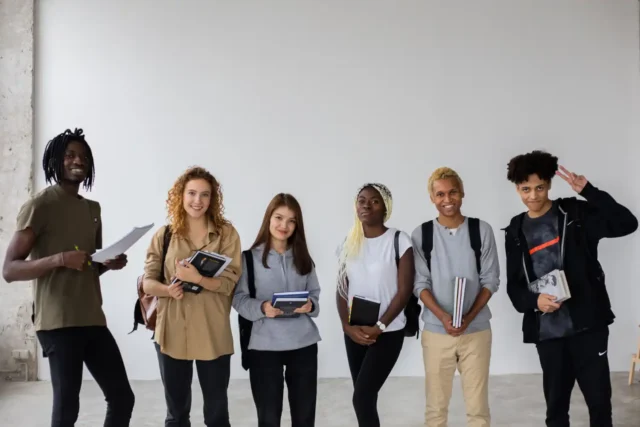
Polish classes are available both for people starting from zero and for learners who already understand or speak some Polish.
Complete beginners usually start with pronunciation, basic vocabulary, common expressions and the grammar required for simple communication. The initial goal is to build enough language to handle basic interactions rather than master every grammatical structure immediately.
At higher levels, the focus gradually shifts towards longer conversations, greater accuracy, wider vocabulary and the ability to communicate in more demanding situations. Advanced learners may also need Polish for professional, academic or specialised purposes.
If you have studied Polish before, checking your level before enrolling is important. The right placement helps you avoid a course that is either too easy to be useful or too difficult to follow effectively.
Say Polish offers Polish language courses for foreigners at different levels, in several Polish cities and online.
What Should Good Polish Classes Include?
Effective Polish classes should teach learners how to use the language, not only how to complete grammar exercises.
A balanced programme develops four core skills:
- speaking – expressing ideas and responding in real time;
- listening – understanding spoken Polish in different situations;
- reading – working with increasingly complex written language;
- writing – producing clear and appropriate messages and texts.
Grammar, vocabulary and pronunciation support these skills rather than functioning as separate goals.
For example, learning a Polish grammatical case is more useful when students immediately apply it to situations such as ordering food, describing people or asking for something in a shop. This connects a grammatical rule with a communicative purpose.
Topics should also reflect situations learners are likely to encounter. Depending on the level and objective, this may include shopping, transport, housing, work, healthcare, social conversations or communication with institutions.
How Should Polish Classes Change as Your Level Improves?

The content and teaching approach should develop together with the learner’s ability.
Beginner Levels: Building Practical Foundations
At beginner levels, learners need pronunciation, essential vocabulary and basic sentence patterns. Lessons should provide enough repetition to make common expressions easier to recognise and use.
Speaking should begin early, even when students can produce only simple sentences. Waiting until grammar is perfect can unnecessarily delay practical communication.
Intermediate Levels: Becoming More Independent
Intermediate learners need to move beyond predictable dialogues. They should practise explaining experiences, expressing opinions, understanding longer conversations and responding when communication does not follow a prepared script.
Vocabulary and grammar also become more complex at this stage, but they should continue to be connected with practical use.
Advanced Levels: Developing Precision and Flexibility
Advanced learners need more than additional vocabulary. They should work on precision, register, style and adapting Polish to different contexts.
Professional communication, academic language, presentations, formal writing or specialised vocabulary may become more important depending on the learner’s goals.
What Should You Check Before Enrolling?
Do not choose Polish classes based only on price or the number of lessons. A course needs to fit both your learning objective and your weekly routine.
Before enrolling, check:
- Course level and learning outcomes. Find out what you should be able to understand and communicate by the end of the programme.
- Placement process. If you already know some Polish, make sure your current ability can be assessed before you join a group.
- Group size. Consider whether the format gives you enough opportunities to speak and receive feedback.
- Lesson schedule. Choose a timetable you can realistically maintain throughout the programme.
- Teaching approach. Look for a balance between practical communication, vocabulary, pronunciation and grammar.
- Learning materials. Check what materials are used and whether you can revise between lessons.
- Course format. Decide whether classroom, online, group or individual learning fits your situation best.
The most demanding programme is not automatically the most effective. A course you can attend consistently and support with regular practice is usually a better choice than an intensive schedule you cannot maintain.
Group, Intensive or Private Polish Classes?
Different course formats solve different learning problems. Choosing between them becomes easier when you start with your goal rather than the course name.
Group Classes for Regular Progress
Group lessons provide opportunities to communicate with several people rather than only the teacher. Learners hear different voices, participate in pair and group activities and practise reacting to less predictable conversations.
A semester Polish course can suit learners looking for systematic progress at a pace that can be combined with work, university or other responsibilities.
Intensive Polish Classes for More Frequent Learning
An intensive Polish course provides more frequent contact with the language.
This format may suit someone who has enough time to attend lessons regularly and revise between classes. It can also be useful when Polish needs to become a greater part of the learner’s daily routine.
More classroom hours alone, however, do not guarantee better results. Learners still need time to review material and actively use what they have studied.
Private Polish Lessons for Individual Goals
Private Polish lessons allow greater flexibility in lesson content and pace.
They may be particularly useful when you need to focus on a specific skill, professional vocabulary, an individual learning difficulty or a timetable that does not fit regular group courses.
Long-Term Courses for Systematic Development
A one-year Polish course can suit learners planning sustained language development.
Long-term study gives students more opportunities to revisit vocabulary and grammatical structures and gradually use them in increasingly complex communication.
Stationary or Online Polish Classes: Which Should You Choose?
Both classroom and online Polish classes can support effective learning. The more important question is which format helps you participate consistently and actively.
Stationary Polish Classes
Classroom lessons provide direct contact with the teacher and other learners. They may suit people who prefer face-to-face interaction and find it easier to maintain a learning routine when lessons take place at a physical location.
For people living in Poland, classroom learning can also be combined immediately with everyday language practice outside school.
Live Online Polish Classes
Online Polish classes remove commuting time and allow learners to participate from different locations.
Live lessons can still include conversations, listening activities, shared materials, exercises and teacher feedback. They can therefore be a practical alternative for people with demanding schedules or those living outside a city where classroom courses are available.
Self-Study Polish Courses
A self-study Polish video course offers greater control over when and how often you study. Recorded materials can also be repeated whenever necessary.
The trade-off is reduced live interaction. Learners choosing self-study should therefore look for additional opportunities to practise speaking and receive feedback.
Polish Classes in Major Polish Cities
Learners who prefer classroom lessons can study Polish in several major cities.
Say Polish provides courses in Warsaw, Krakow, Wroclaw, Poznan, Gdansk and Katowice.
Location is more important than it may initially seem. A course that requires a difficult commute can become harder to attend consistently, so convenience should be considered alongside the programme itself.
Living in Poland also creates opportunities to reinforce classroom learning. Shops, cafés, workplaces, public transport and conversations with neighbours can provide practical situations in which to notice and use recently learned language.
How to Make Faster Progress Between Polish Classes
Lessons provide structure, but progress also depends on what happens between them.
Short, frequent contact with Polish can be more practical than relying on occasional long study sessions. After each lesson, identify a small amount of material that you want to actively use rather than trying to revise everything at once.
For example, you can:
- use three new expressions in a conversation;
- listen again to material from the lesson;
- write a short message using a new grammatical structure;
- notice how Polish speakers use expressions you have recently learned;
- keep a list of mistakes that repeatedly appear in your speaking or writing.
Do not wait until you can construct every sentence perfectly. Speaking, noticing mistakes, receiving feedback and trying again are part of the learning process.
Common Mistakes When Choosing Polish Classes
Choosing a Course Only by Price
Price matters, but it does not tell you whether the level, schedule, teaching approach and format fit your needs. A cheaper course that you frequently miss may offer less practical value than a programme that fits your routine.
Choosing the Most Intensive Option Automatically
More lessons mean more exposure to Polish, but they also require more time for revision and practice. Intensive learning works best when your weekly schedule can support it.
Focusing Only on Grammar
Polish grammar is important, but understanding rules does not automatically produce fluent communication. Learners also need opportunities to retrieve vocabulary, understand spoken language and construct responses in real time.
Choosing the Wrong Level
A course that is too easy provides insufficient challenge, while one that is too advanced can make it difficult to participate effectively. Learners with previous experience should therefore confirm their level before enrolling.
Expert Insight: Choose Classes Around the Situations You Need to Handle
One of the most useful ways to evaluate progress is to stop asking only “What grammar have I learned?” and start asking “What can I now do in Polish?”
Your goals can be defined as practical tasks. For example:
- order food and ask additional questions;
- make an appointment by phone;
- explain a problem to a landlord;
- participate in a conversation with colleagues;
- understand the main point of an announcement;
- write an appropriate professional message.
This approach makes it easier to identify what you actually need from your Polish classes.
It also helps you measure progress. Completing another textbook chapter is useful, but being able to handle a situation that was previously difficult is a clearer sign that your Polish is becoming more functional.
Another important principle is to focus on recurring mistakes. If the same problem appears repeatedly in your speaking or writing, correcting that pattern may be more valuable than trying to eliminate every minor error at once.
Frequently Asked Questions
Can Complete Beginners Join Polish Classes for Foreigners?
Yes. Beginner classes are intended for learners with little or no previous knowledge of Polish. They typically introduce pronunciation, basic vocabulary, essential grammar and simple everyday communication step by step.
How Do I Know Which Polish Level to Choose?
If you have studied Polish before, use a placement test or ask the school to assess your level. Placement should reflect what you can currently understand and communicate, not simply how long you have studied the language.
Are Group Polish Classes Suitable for Working Professionals?
They can be, provided the timetable fits your working hours and allows regular attendance. Semester, evening or online formats may be easier to combine with professional responsibilities.
Are Online or Stationary Polish Classes Better?
Neither format is automatically better. Classroom lessons provide face-to-face interaction, while online classes reduce commuting and offer greater location flexibility. Choose the format that makes regular participation easiest for you.
How Often Should I Study Polish?
Regular contact with the language is more important than occasional intensive study. Combine scheduled lessons with shorter periods of review, listening, reading or conversation between classes.
Are Private Polish Lessons Better Than Group Classes?
Private lessons provide more individual attention and can focus on specific goals, while group classes give learners opportunities to communicate with several people. The better choice depends on your learning needs, timetable and preferred type of interaction.
Find the Right Polish Classes for Foreigners
The best Polish classes for foreigners are not simply the most intensive or convenient option. They should match your current level, communication goals and the amount of time you can realistically dedicate to learning.
Before choosing a course, compare the level, format, schedule and learning objectives. Then support your lessons with regular use of Polish outside class. Consistent learning combined with practical communication gives you the best foundation for becoming more independent in Polish.
If you need help selecting a programme, contact Say Polish and describe your current Polish level, availability and main learning goals.